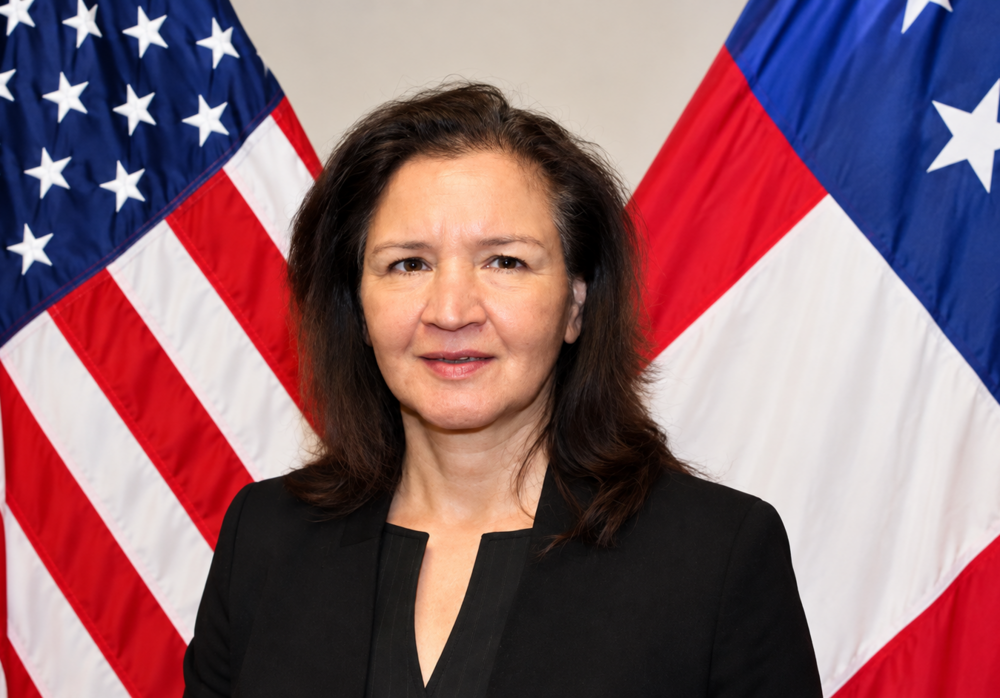
Shirley Robinson Headshot photo.png
An official website of the State of Georgia.
The .gov means it’s official.
Local, state, and federal government websites often end in .gov. State of Georgia government websites and email systems use “georgia.gov” or “ga.gov” at the end of the address. Before sharing sensitive or personal information, make sure you’re on an official state website.
Still not sure?
Call 1-800-GEORGIA to verify that a website is an official website of the State of Georgia.
National Disability Employment Awareness Month (NDEAM) is an opportunity to celebrate the skills, talents and contributions of people with disabilities and to remind employers of the value they bring to the workplace.
For Shirley Robinson, that message is deeply personal.
As a long-time vocational rehabilitation professional and a person who is blind, Shirley has experienced firsthand what can happen when people are given the chance to demonstrate their abilities. For more than two decades, she has also helped others overcome barriers, pursue meaningful careers, and reach their goals.
“I appreciate the opportunity to promote greater awareness, encourage inclusion, and help create paths for others to pursue meaningful careers and achieve their goals,” Shirley says.
Shirley joined the Georgia Vocational Rehabilitation Agency (GVRA) in March 2003 as a certified rehabilitation counselor. Today, she serves as GVRA’s Coordinator of Blind and Low Vision Services, where she works with agency staff, contractors and other stakeholders to help individuals who are blind or have low vision pursue employment and independence.
But Shirley's own story may be one of her most powerful messages.
She earned a master’s degree, built a career, purchased a home, got married, and raised a family. Those accomplishments, she says, were possible because she had opportunities to demonstrate her abilities and access to tools and support that helped her succeed.
That experience has shaped how she views employment for people with disabilities.
Shirley wants employers to look beyond what they may assume a person with a disability cannot do and instead focus on what that person can contribute.
“People with disabilities are often among the most hardworking, adaptable, and resourceful employees because they routinely navigate challenges and barriers that others may not encounter,” she says.
Those experiences can develop valuable workplace skills, including problem-solving, resilience, adaptability, and determination. Shirley believes those qualities, along with an employee’s education, experience and professional skills, can make people with disabilities valuable members of any team.
For employers considering hiring someone who is blind, Shirley encourages them to focus first on the qualifications of the candidate and not the disability.
A person who is blind may use screen-reading software, magnification, Braille, a smartphone or other assistive technology to perform tasks. The technology may look different from the tools other employees use, but the goal is the same: to successfully perform the job.
Shirley also wants employers to have a better understanding of workplace accommodations. She points out that many accommodations are low-cost or no-cost, and the investment can be considerably less than the cost of recruiting, interviewing, hiring and training a new employee.
In some cases, accommodations can benefit more than the employee who requests them. Changes that improve accessibility, communication or efficiency can make the workplace better for others as well.
“Most importantly, employers should focus on a candidate’s skills, qualifications and potential contributions rather than making assumptions about what they can or cannot do,” Shirley says.
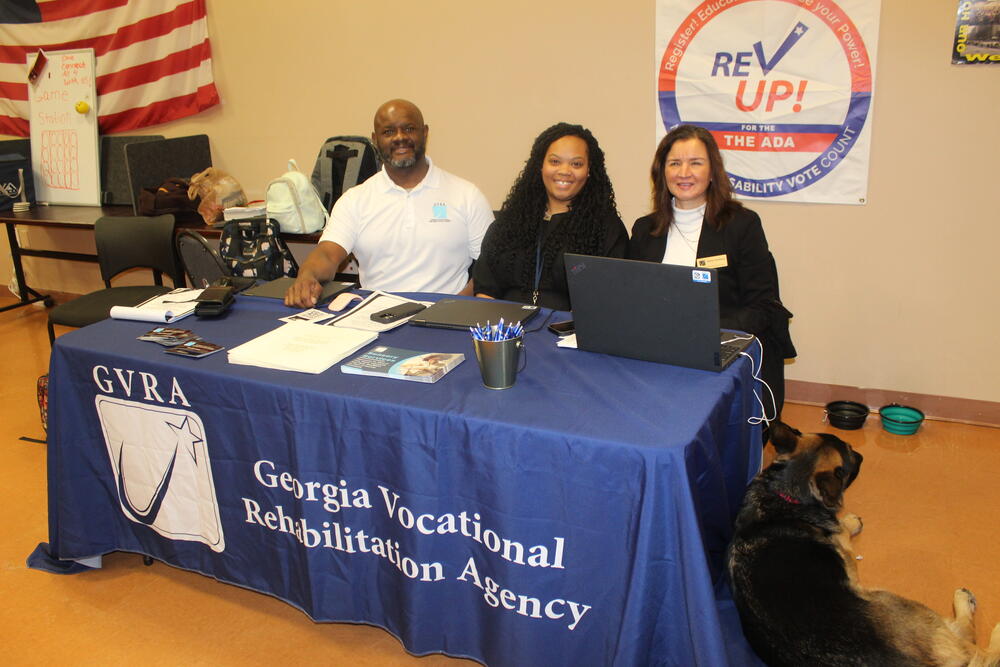
Shirley has an equally important message for individuals with disabilities who are pursuing their career goals: Believe in what you can do.
She encourages those seeking employment to prepare, research potential employers and understand the essential functions of the positions they are pursuing. Candidates should be ready to talk about their skills, accomplishments and experience and, when appropriate, explain how they would perform the job with an accommodation or assistive technology.
She also encourages people to stay current with technology and learn how available tools can support their success in the workplace.
“Do not let low expectations or misconceptions discourage you from pursuing your goals,” she says. “Believe in your abilities, advocate for yourself when necessary, and remain persistent.”
That persistence is something Shirley knows well.
Her career has allowed her to help countless individuals and professionals understand that blindness and other disabilities do not have to stand in the way of meaningful employment. Through her work with GVRA and her involvement with statewide and national organizations, she continues to advocate for greater awareness and opportunity.
NDEAM gives Shirley an opportunity to share that message across the state.
“When given the opportunity, people with disabilities bring valuable perspectives, varied experiences and unique problem-solving abilities that can strengthen teams and help organizations succeed,” she says.
For Shirley, that is what NDEAM is ultimately about: recognizing talent, creating opportunity, and making sure people with disabilities have the chance to show what they can do.
“Disability should never define a person’s future; opportunity, talent and determination should," says Shirley.
And she hopes they walk through it knowing something she has learned along the way: your disability does not determine your potential.